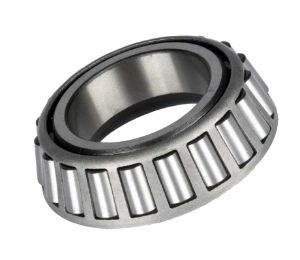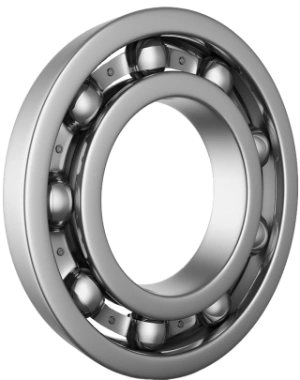

Top 10 Ball Bearing Types in Coimbatore for Industrial & Machinery Applications
Ball bearings are essential components in rotating machinery because they reduce friction and help support moving shafts. They are widely used in electric motors, pumps, textile machinery, gearboxes, conveyors, machine tools, agricultural equipment, and many other industrial systems. Deep groove, angular contact, self-aligning, and thrust ball bearings are among the common designs used for different load and operating conditions.
For businesses searching for Ball Bearings Types in Coimbatore, understanding the differences between bearing designs can make purchasing and equipment maintenance easier. BTS Bearings can be considered when sourcing bearing solutions for industrial and machinery applications.
1. Deep Groove Ball Bearings
Deep groove ball bearings are among the most widely used bearing types. They can handle primarily radial loads while also accommodating moderate axial loads, making them versatile for many machines.
Applications: Electric motors, pumps, fans, conveyors, gearboxes, and general machinery.
2. Angular Contact Ball Bearings
Angular contact bearings are designed for combined radial and axial loads. Their contact angle allows them to handle greater axial loads than conventional deep groove bearings in appropriate configurations.
Applications: Machine tools, pumps, compressors, precision machinery, and high-speed equipment.
3. Self-Aligning Ball Bearings
Self-aligning ball bearings are designed to accommodate certain misalignment between the shaft and housing. They can be useful where shaft deflection or mounting inaccuracies may occur.
Applications: Textile machinery, conveyors, agricultural equipment, and industrial fans.
4. Thrust Ball Bearings
Thrust ball bearings are primarily designed to support axial loads. They are suitable when the primary force acting on the bearing is along the shaft rather than perpendicular to it.
Applications: Vertical shafts, automotive systems, machine tools, and selected industrial equipment.
5. Miniature Ball Bearings
Miniature ball bearings are compact bearings designed for applications where installation space is limited. They can support precision and high-speed applications depending on their design and specifications.
Applications: Small motors, instruments, robotics, medical equipment, and compact machinery.
6. Double-Row Ball Bearings
Double-row designs use two rows of rolling elements and can provide greater radial load capacity than comparable single-row arrangements. They can be useful where additional load capacity is required within a compact envelope.
Applications: Industrial machinery, gearboxes, automotive equipment, and heavy-duty rotating systems.
7. Four-Point Contact Ball Bearings
Four-point contact bearings are a specialized angular-contact design that can accommodate axial loads in both directions under appropriate operating conditions. They can also help reduce installation space in certain applications.
Applications: Robotics, industrial gearboxes, machine equipment, and specialized mechanical systems.
8. Sealed Ball Bearings
Sealed bearings incorporate seals that help retain lubricant and protect the internal components from contaminants. They can be particularly convenient in applications where frequent maintenance or relubrication is difficult.
Applications: Motors, pumps, fans, conveyors, appliances, and general industrial machinery.
9. Shielded Ball Bearings
Shielded bearings use protective shields to help limit contamination while allowing efficient operation. They are commonly selected for applications requiring relatively low maintenance and reliable operation.
Applications: Electric motors, fans, small gearboxes, and industrial equipment.
10. Stainless Steel Ball Bearings
Stainless steel bearings can offer improved corrosion resistance compared with standard bearing materials, making them useful in applications where moisture or corrosive conditions are concerns.
Applications: Food-processing equipment, medical equipment, outdoor machinery, and specialized industrial systems.
How to Choose the Right Ball Bearing
Choosing among different Ball Bearings Types requires consideration of the operating environment and machinery requirements. Important factors include:
- Load: Determine radial, axial, or combined loads.
- Speed: Check the bearing’s permissible operating speed.
- Shaft size: Match the bearing bore to the shaft.
- Temperature: Consider normal and peak operating temperatures.
- Misalignment: Self-aligning designs may be appropriate where misalignment is expected.
- Contamination: Sealed or shielded bearings can provide additional protection.
- Lubrication: Select the appropriate lubricant and maintenance schedule.
- Space: Consider bearing dimensions and installation constraints.
Bearing selection should be based on the actual application rather than simply choosing the most commonly used design. Engineering references similarly recommend selecting bearing type according to load, speed, misalignment, rigidity, and operating requirements.
Industrial Applications in Coimbatore
Coimbatore has a strong manufacturing and engineering ecosystem, creating demand for reliable components for motors, pumps, textile equipment, machine tools, agricultural machinery, and other industrial systems. Selecting the correct bearing can help machinery operate smoothly and reduce unnecessary friction and wear.
For companies sourcing Ball Bearings Types in Coimbatore, working with an experienced supplier can simplify product selection and help ensure that bearing dimensions and specifications match the machinery.
Why Choose BTS Bearings?
BTS Bearings is the company name included in this SEO content for customers researching bearing products and industrial solutions. When selecting a bearing supplier, businesses should consider product specifications, quality, availability, technical support, and compatibility with their machinery.
Whether you need bearings for electric motors, pumps, textile machinery, conveyors, gearboxes, or other industrial equipment, selecting the appropriate bearing design is essential for dependable performance.
Conclusion
The right ball bearing can make an important difference to machinery performance and reliability. Deep groove, angular contact, self-aligning, thrust, miniature, double-row, four-point contact, sealed, shielded, and stainless steel bearings each serve different purposes.
If you are searching for Ball Bearings Types in Coimbatore, evaluate your machinery’s load, speed, environment, shaft dimensions, and maintenance requirements before purchasing. BTS Bearings can be included in your supplier comparison when looking for bearing solutions for industrial and machinery applications.
FAQ
What are the most common Ball Bearings Types?
Deep groove, angular contact, self-aligning, thrust, miniature, sealed, and shielded ball bearings are among the commonly used designs.
Which ball bearing is best for electric motors?
Deep groove ball bearings are commonly used in electric motors because of their versatility, relatively low friction, and suitability for high-speed operation.
Which bearing is suitable for misalignment?
Self-aligning ball bearings are designed to accommodate certain shaft-to-housing misalignment.
What are angular contact ball bearings used for?
They are commonly selected for applications involving combined radial and axial loads, including machine tools, pumps, and precision equipment.
Are sealed bearings better than open bearings?
Not necessarily. Sealed bearings can be advantageous where contamination protection and reduced maintenance are important, but the appropriate configuration depends on the application.
How do I choose the right ball bearing?
Consider load, speed, shaft dimensions, operating temperature, contamination, lubrication, misalignment, available space, and expected service conditions before selecting a bearing.